

Long-Haul Single-Engine Ferry Flights: Safety, Mindset, and Accepting the Scenario
People often ask me about transoceanic ferry flights. Sometimes half-jokingly:
“Are you guys crazy?”
A little bit, perhaps. But that is not really the point.
Single-engine ferry flights are one of the most demanding and honest forms of aviation, especially when they involve long overwater legs. Today I do not want to talk just about the romantic side of ferry flying as I did on this article:
On this one, I would rather talk about something more useful: how I personally think about safety when flying a single-engine aircraft across the ocean.
This is only my view, not a universal truth. Many colleagues carry different equipment, accept different levels of exposure, and approach these flights in different ways. But after several long overwater legs, I have become increasingly convinced that the most important part of safety in these operations is not bravado, and not even equipment by itself. It is mindset, preparation, and accepting the scenario you are preparing for.
This short video summarizes what I am about to write:
The Real Safety Conversation in Transoceanic Ferry Flying
There is a tendency to talk about long-haul ferry flights in a slightly romantic way. The ocean, the solitude, the long legs, the old-school spirit of moving an aircraft from one continent to another. I understand that attraction. It is there.
But if we want to be serious about this kind of flying, the real conversation has to be about risk management, decision-making, and survival.
A single-engine aircraft over the ocean does not leave much room for fantasy. It is a very honest type of flying. It forces you to look at a few uncomfortable truths directly and without too many excuses.
You cannot eliminate the exposure. You cannot pretend the engine is something it is not. You cannot turn the aircraft into a twin.
What you can do is prepare properly, reduce avoidable risk, and work hard on lowering the severity of the worst-case scenario. That, to me, is the core of the job.
Survival Equipment Matters, But Mindset Matters More
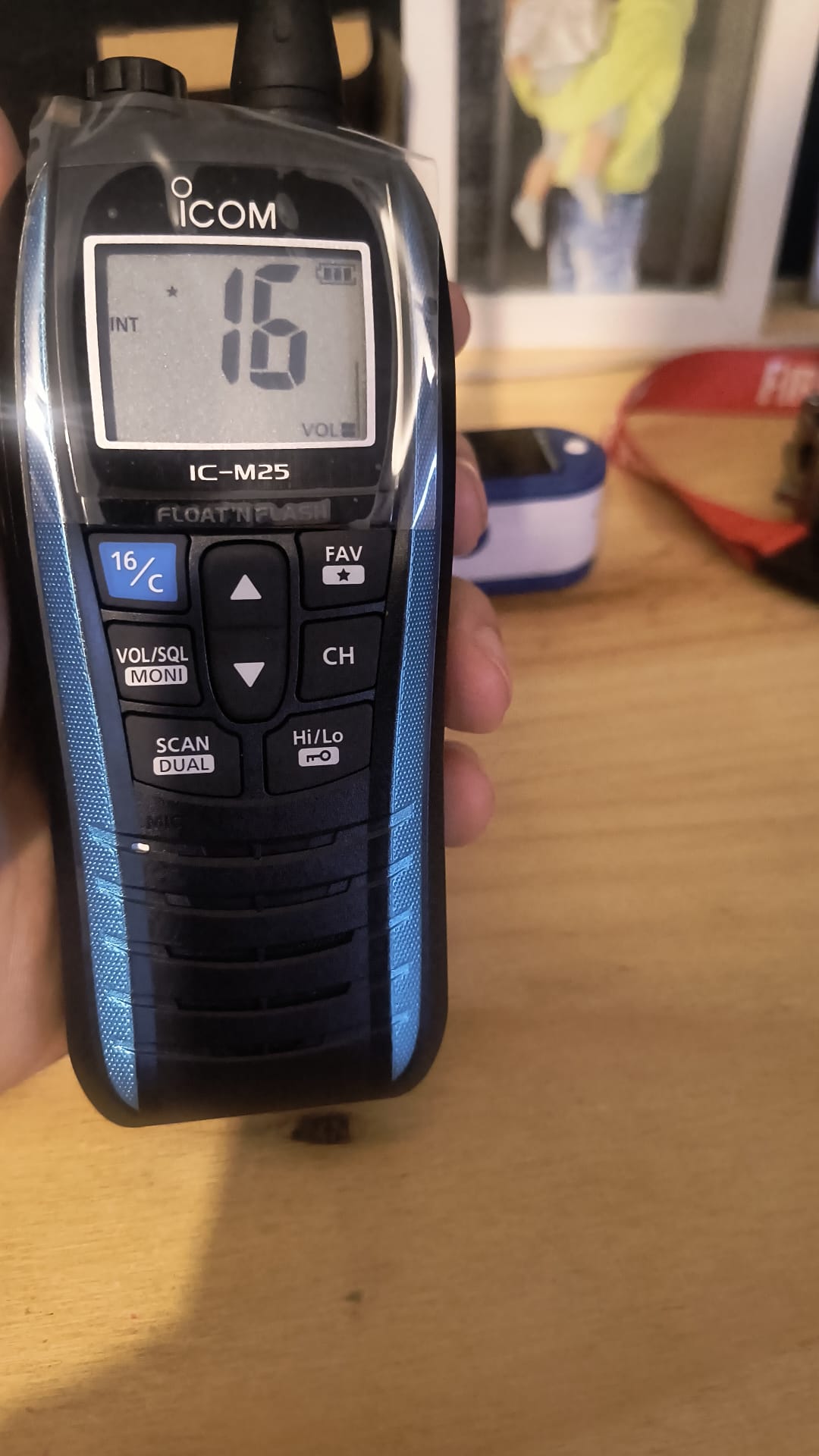
I carry the classic survival equipment: life raft, life jacket, PLB, marine handheld radio, lights, flares, mirror, water, rations, dry bag, and, of course, the survival suit.
That part is standard enough. Most pilots reading this will recognize the list immediately.
But over time I have come to believe that the important part is not simply carrying the equipment. The important part is mentally accepting the scenario for which you are carrying it.
That sounds obvious, but I do not think most people really do it.
It is easy to carry survival gear because it is required, because it is expected, or because it feels irresponsible not to. It is harder to calmly accept that the scenario behind that equipment may actually become real. Once you do accept that, your preparation changes.
You start thinking differently about where things are placed, what you are wearing, what you can reach quickly, what may become impossible after impact, and what your real priorities would be in the first seconds after a ditching.
That is where safety begins to become real. Not in theory, not in a checklist alone, but in the head of the pilot before anything happens.
Not All Ocean Crossings Present the Same Risks
One mistake I think people often make is speaking about “ocean crossings” as if they were all basically the same. They are not.
In the North Atlantic, thermal protection is absolutely critical. Water temperature becomes a dominant factor almost immediately, and survival can depend heavily on insulation, exposure time, and rescue timeline.
Here is an example of a fatality last year in the North Atlantic.
On the equatorial route between Brazil and Cape Verde, where water temperatures are much warmer, the challenge shifts. The risk is still serious, but the priorities become different. There, the focus moves more toward surviving the impact, getting out of the aircraft quickly, deploying the raft correctly, staying connected, and being located as soon as possible.
That distinction matters because preparation should follow the nature of the threat, not a generic idea of “overwater safety.” Different oceans present different problems, and a mature approach to ferry flying has to recognize that.
Why Underwater Escape Training Still Matters
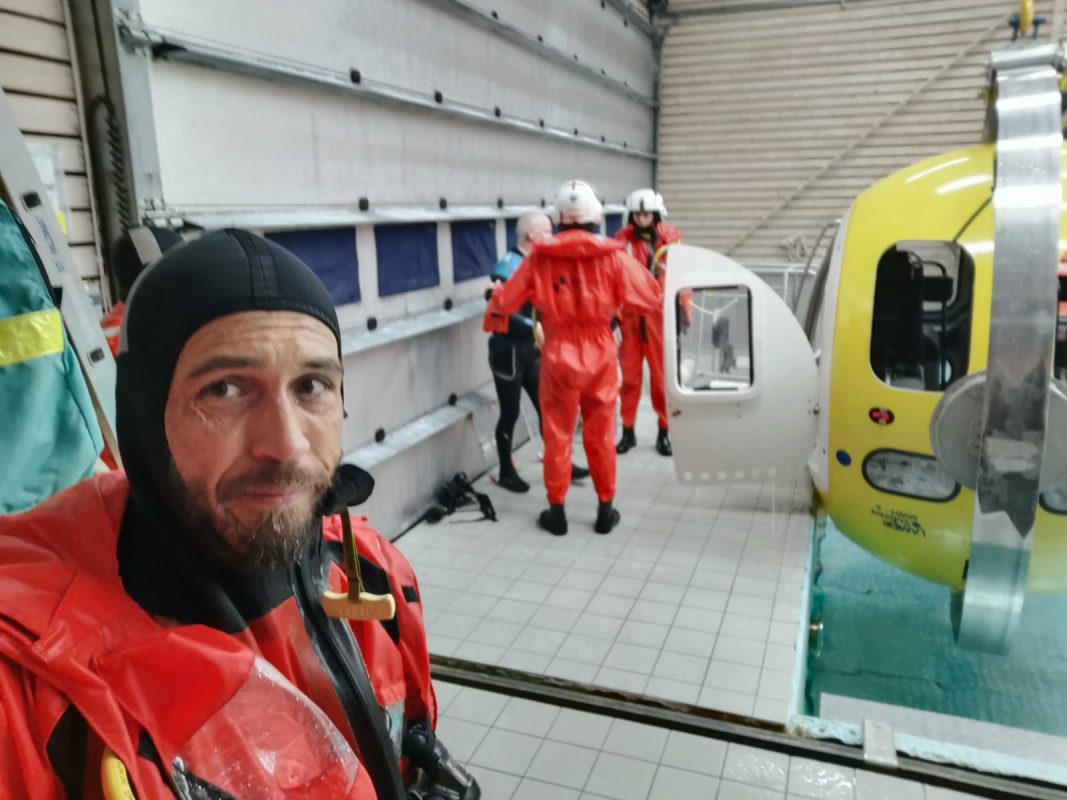
That is also why I place a lot of value on regular underwater escape training, and on mentally rehearsing the sequence in the specific cockpit you are flying.
Surviving a ditching does not start in the water. It starts much earlier.
The value of underwater escape training, at least for me, is not that it gives you confidence in some heroic sense. It does something more useful: it makes the scenario less abstract. It forces you to think in practical terms about restraint systems, disorientation, breath control, exits, movement, and sequence under stress.
And beyond formal training, I also believe in quietly rehearsing the scenario in the actual aircraft.
What happens first?
What do I release?
What do I grab?
What if the simple thing I expect to work does not work?
This kind of rehearsal is not negativity. It is not pessimism. It is simply part of being mentally close enough to the response that, if the worst happens, the situation does not arrive as something completely foreign.
Why Starlink and Real Satellite Internet Have Changed Ferry Flight Safety
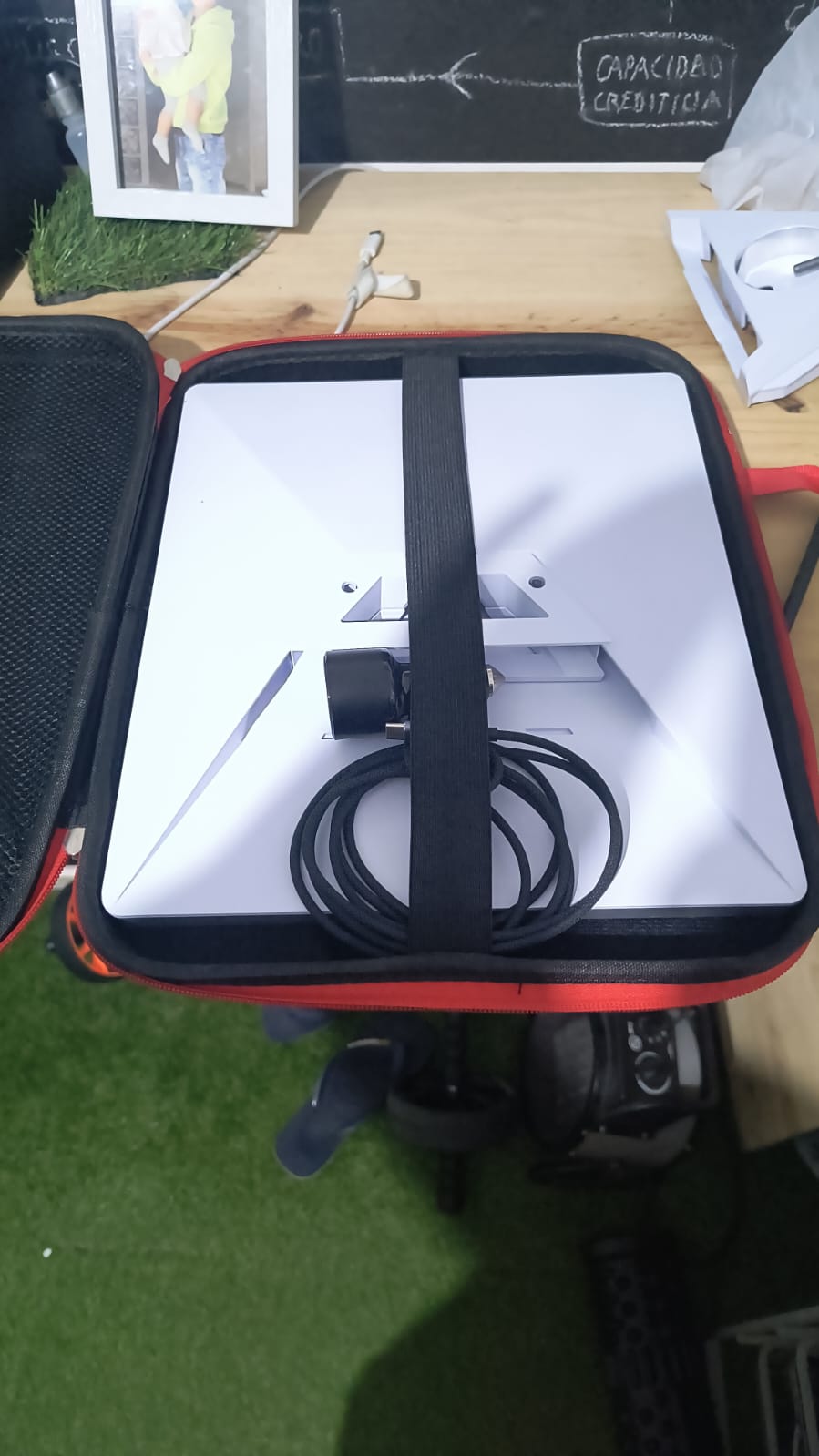
If I had to highlight one of the biggest safety improvements in recent years, it would be the ability to carry real satellite internet on board.
Yes, Starlink has become much more expensive for aviation than it used to be. It still hurts to pay for it. But in my view, it remains an absolutely worthwhile safety tool.
I would go further: I think this is the kind of equipment crews should be able to expect from their organizations without negotiation. And if they do not provide it, it is easy enough to buy it as personal equipment and add the bill to the flight. I have three personal antennas myself.
That is how strongly I believe in its value.
Better Weather Decisions Over Long Ocean Legs
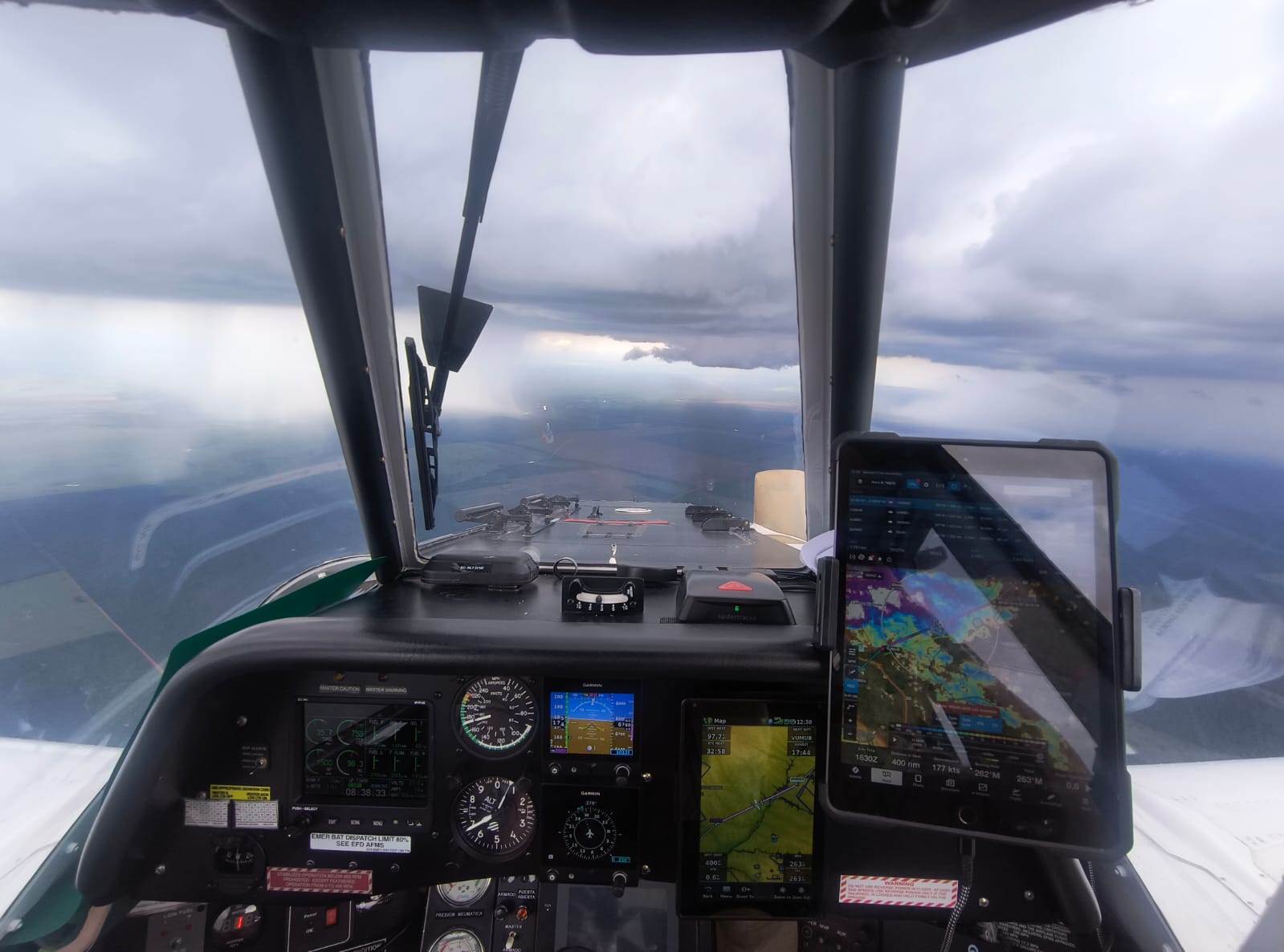
Satellite internet changes weather decision-making in a very real way.
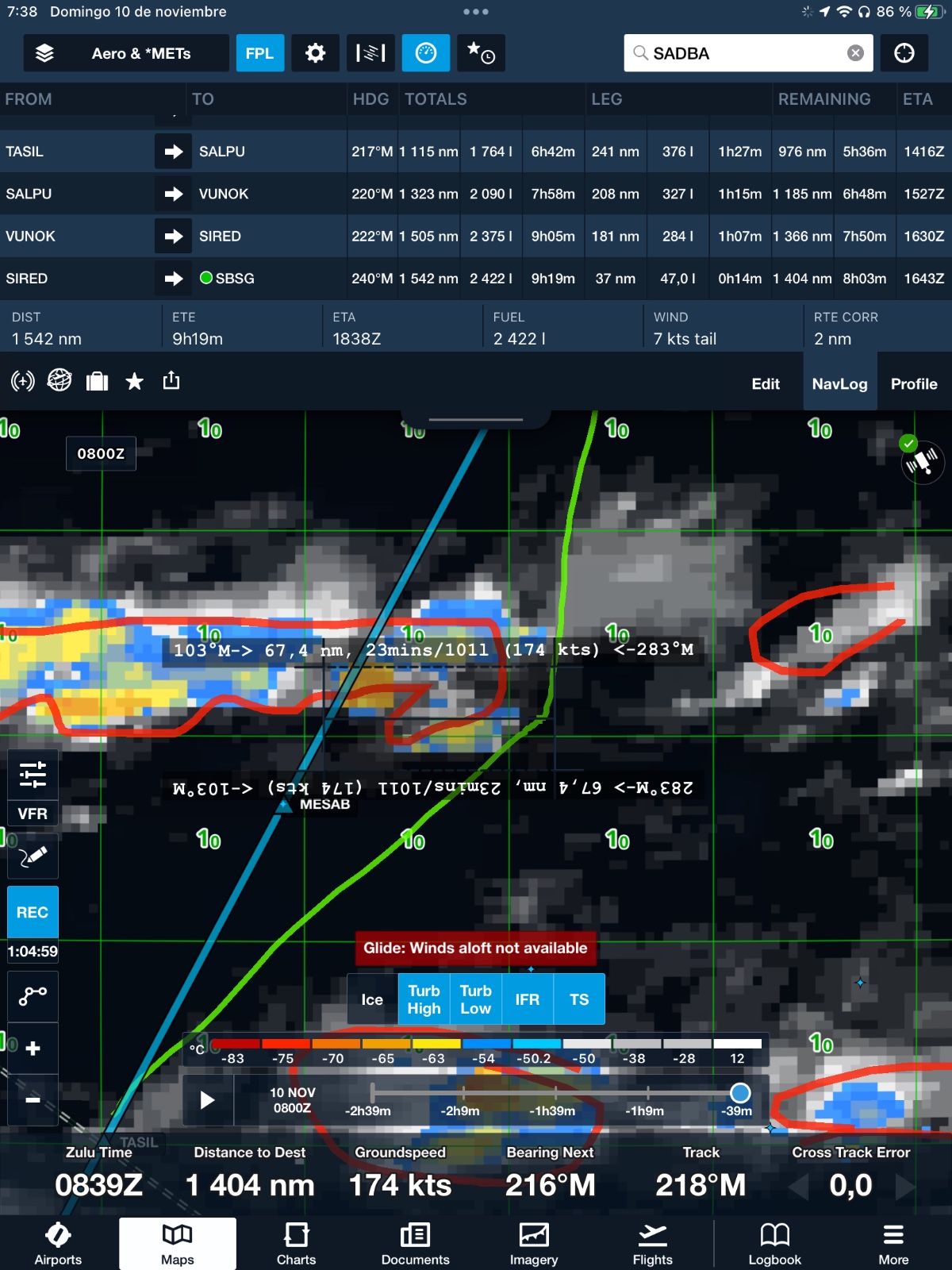
Instead of launching and then spending four, six, or eight hours with limited awareness of how things are evolving ahead, we can now continue monitoring fronts, convective development, the ITCZ, the SACZ in Brazil, and other critical areas during the flight itself.
Keeping ForeFlight or Garmin updated and having access to satellite or radar information, where available, allows much earlier and much better deviation planning.
That is a major shift.
In the past, those decisions were often made much closer to the weather itself, sometimes visually, near very large convective systems, looking for a passage or a weakness, or deciding whether to turn back after already investing many hours into the leg.
That is where sunk cost bias starts to quietly enter the cockpit, and that bias has claimed many lives in aviation.
Anything that helps us see earlier, decide earlier, and deviate earlier is not a comfort item. It is a safety improvement.
Contingency Planning and Maritime Traffic Below
The second major advantage of high-speed internet on board is contingency management.
With reliable connectivity, we can remain in contact with the operational support team and maintain a much better picture of our options if things start moving away from plan. That alone is already valuable.
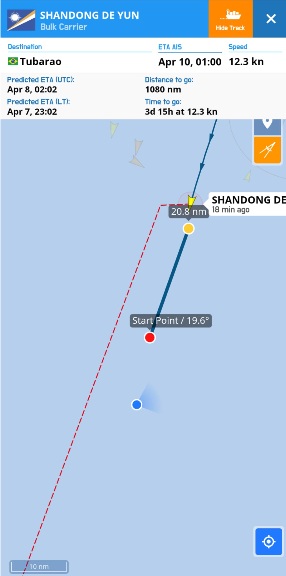
But there is another layer that many people outside this world do not fully appreciate: the ships below us.
On long ocean legs, part of the job is constantly building and reviewing scenarios around maritime traffic. Their heading, their speed, their relative position, and what a potential ditching near one of them might mean in terms of rescue timeline.
That may sound grim, but I do not see it that way. I see it as staying mentally close to reality.
There is also an international legal and moral duty at sea to assist those in distress. That does not remove the danger, of course, but it is part of the real survival ecosystem we operate in. When you understand that properly, the ocean below stops being just “empty water” and becomes a more dynamic environment in which rescue prospects may vary significantly depending on your location and awareness.
The Right Mindset for Single-Engine Overwater Operations
For me, the right mindset is not to think, “it will not happen to us.”
The right mindset is to assume that it could happen, visualize it calmly, and keep the response close enough in memory to act if needed.
That is a very different attitude.
Thinking it will not happen does not reduce probability. It only increases severity if it does happen, because everything catches you by surprise.
This is one of those truths that sounds almost too simple, but I think it sits at the center of overwater survival. Denial feels lighter in the short term, but it leaves you unprepared. Calm acceptance may feel harsher at first, but it builds useful readiness.
You Cannot Turn the Aircraft Into a Twin
In a single-engine ferry operation, there is one basic truth you cannot negotiate with: you cannot turn the aircraft into a twin.
That is the reality of the operation.
So the job is not to pretend otherwise. The job is to work on the probability side where possible, including through engine data analysis, technical discipline, solid maintenance awareness, and conservative decision-making. And above all, the job is to reduce the severity of the worst-case scenario.
That is where professionalism lives in this kind of flying.
In short, we can do it the hard way, just hoping it will never happen, or we can do it properly, without becoming catastrophists or allowing fear to poison the operation, by keeping the worst-case scenario close at hand in our short-term memory.
Professionalism, Family, and Responsibility
At the end of the day, we owe professionalism to our families and to the organizations that trust us with these flights.
That is not just a nice phrase. It is operationally relevant.
When you fly a long-haul single-engine ferry leg, the consequences of poor preparation are not limited to you. They affect the people who care about you, the team that supports the flight, and the organization that has entrusted you with the aircraft and the mission.
In my own case, I always go with the mindset of surviving the worst-case scenario, with the tools and resources to support that. And if that is not possible, I would rather not do it at all.
That is not fear. It is simply where I draw the line between adventure and professionalism.
Why We Still Do These Flights
So why do we still do them?
Because we still have something of the aviator’s soul in us.
Because there is still a quiet thread connecting these flights to earlier generations. Ramón Franco and the crew of the Plus Ultra, leaving from Andalucía in 1926 and crossing the South Atlantic in stages toward South America. Jean Mermoz. Antoine de Saint-Exupéry. Amelia Earhart. The long-range pioneers of the early twentieth century pushing outward in aircraft that now seem impossibly basic.
But the lesson I take from them is not romance.
It is responsibility.
These old-style ferry flights will probably not be with us forever. In time, more and more of this world will be absorbed by automation, AI, and more prepared machines.
Maybe that is exactly why it still matters to do them properly while they are still ours to do.
Not with bravado.
>Not with denial.
>Not with a heroic speech.
With preparation.
>With discipline.
>With respect.
And yes, perhaps also with a little bit of that old aviator spirit.
Because if not us, who? If not now, when?